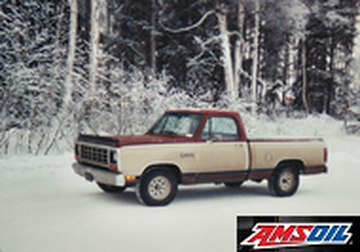
Maintaining Lubrication Standards for the 1982 Dodge Trucks D150 3.7L
Proper engine care for a vehicle of this era involves more than just periodic fluid changes; it requires an understanding of how aging mechanical systems respond to different lubricants and environmental factors. For owners of the 1982 Dodge Trucks D150 equipped with the 3.7L engine, maintaining a consistent service routine is the most effective way to monitor the health of the powertrain and ensure long-term operational stability.
Monitoring Fluid Integrity and Potential Seepage
As vehicles age, the materials used in various seals and gaskets can undergo changes in elasticity. When performing routine maintenance on this Dodge truck, it is beneficial to conduct a thorough visual inspection of the engine area for any signs of fluid seepage. Rather than looking for catastrophic failures, focus on identifying slow, oily residues that may accumulate around sealing surfaces.
If you notice dark, wet areas around the engine block or near various connection points, these can be early indicators that a seal is no longer providing an optimal barrier. Additionally, checking the condition of any visible hoses or electrical connections during an oil service provides a broader view of the engine compartment's health. While these observations do not constitute a definitive diagnosis, they allow an owner to address minor issues before they escalate into more significant mechanical concerns.
Observing Changes in Engine Performance and Lubricant Condition
A proactive approach to maintenance involves paying close attention to how the vehicle behaves during operation. Any sudden changes in how the engine sounds or runs should be investigated promptly. For instance, unusual mechanical noises that coincide with temperature changes can sometimes be associated with lubrication levels or the quality of the oil currently in use.
It is also important to monitor for any unexpected consumption of fluids. If you find that you are needing to add lubricant more frequently than usual, this warrants a closer inspection of the engine's external components and internal state. Furthermore, if you observe unusual exhaust smoke or notice changes in the appearance of the oil on the dipstick—such as an extremely dark color or a gritty texture—these symptoms should be addressed. Because many different factors can cause these signs, they should be viewed as prompts for professional diagnostic investigation rather than as proof of a specific component failure.
Prioritizing Maintenance Based on Current Vehicle Condition
For a 1982 model, the most effective maintenance strategy is to prioritize tasks based on the actual, observed condition of the vehicle rather than relying solely on its age. If you are stepping into ownership without a complete service history, establishing a baseline is a critical first step. This involves documenting all recent fluid changes, filter replacements, and any repairs that have been performed.
When reviewing your maintenance records, look for patterns. For example, if certain areas of the engine consistently show signs of minor seepage, you can plan for more frequent inspections in those specific zones. If the vehicle has a well-documented history of consistent service, you may find that your priorities shift toward preventive measures and monitoring aging materials. Addressing active concerns—such as a small leak or a slightly worn belt, if equipped—should always take precedence over scheduled tasks that do not show immediate signs of wear.
The Role of Lubrication in Engine Longevity
Engine oil performs several vital roles that are essential for the continued operation of the 3.7L engine. Beyond simply reducing friction between moving parts, the lubricant acts as a medium for heat management, helping to carry thermal energy away from high-temperature zones within the engine. It also serves as a cleaning agent, suspending microscopic particles and preventing them from settling into deposits or sludge.
Maintaining the correct quality of oil is essential for these functions to remain effective. Over time, even high-quality lubricants can lose their ability to resist oxidation or manage contaminants effectively. By adhering to a consistent service schedule and using the appropriate products, you ensure that the engine remains protected against the gradual buildup of deposits that can occur over years of operation.
Managing Aging Components and Materials
When maintaining an older truck like the D150, it is wise to be mindful of how various materials age. Rubber components, such as belts (if equipped) or hoses, may become brittle or develop cracks over several decades. During a routine oil change, taking a moment to inspect these accessible parts can prevent unexpected downtime. Similarly, checking electrical connectors for signs of corrosion or loose fitment ensures that the engine's ignition and sensor systems remain reliable.
It is important to distinguish between necessary repairs and unnecessary replacements. Just because a component is old does not mean it requires immediate replacement; however, if an inspection reveals fraying, glazing, or significant deterioration, proactive replacement is often the more economical choice in the long run. This condition-based approach ensures that maintenance funds are directed toward the areas that truly impact the vehicle's reliability.
Practical Guidance for Buying Engine Oil for your 1982 Dodge Trucks D150 3.7L
When you are ready to replenish your engine's lubricant, the most important step is to ensure the product matches the specific requirements of your application. Because different engines have unique needs regarding additive packages and base oils, you should always match the engine oil to the application-specific viscosity information shown on this page.
Before making a purchase, carefully review the product labeling to confirm it meets the necessary standards for your vehicle. You may encounter various options, including conventional oils, synthetic blends, or full synthetic formulations. Some high-mileage oil formulations contain additives intended for use in aging engines, and some high-mileage formulations include seal-conditioning additives that may be beneficial depending on your engine's current state. Always prioritize the viscosity and service specifications provided in your vehicle's technical documentation to ensure optimal protection and performance.